Energy intensity per unit, water intensity, and a proper Scope 1, 2, and 3 breakdown are the metrics that actually define green manufacturing, not vague sustainability claims.
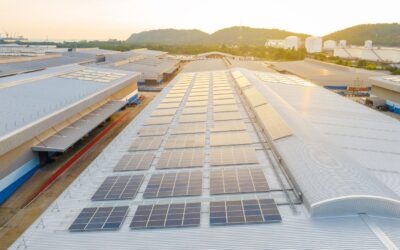

Business innovation represents the concept of transforming processes, products, and services to create greater value for customers, employees, and the global market. Across industries, the development of new ideas and technological innovations continues to reshape every corporate sector — from manufacturing and production to AI and digital communication.
In the industrial landscape, innovation plays a central role in helping businesses grow, reduce costs, and improve efficiency. Many companies use data, automation, and 3D printing to make production systems more efficient, sustainable, and modern.
The core of every successful industry lies in its ability to innovate, explore, and develop. Whether through virtual tools, AI-powered systems, or integration of digital resources, innovative industries drive economic growth and open opportunities for new types of innovation and professional development.
Some industries are more innovative than others, constantly leading the shift toward a modern, connected, and efficient world. Here are some examples of innovative industries shaping the future:
Each of these industries illustrates how innovative efforts can create new opportunities, improve economic value, and influence business practices worldwide.
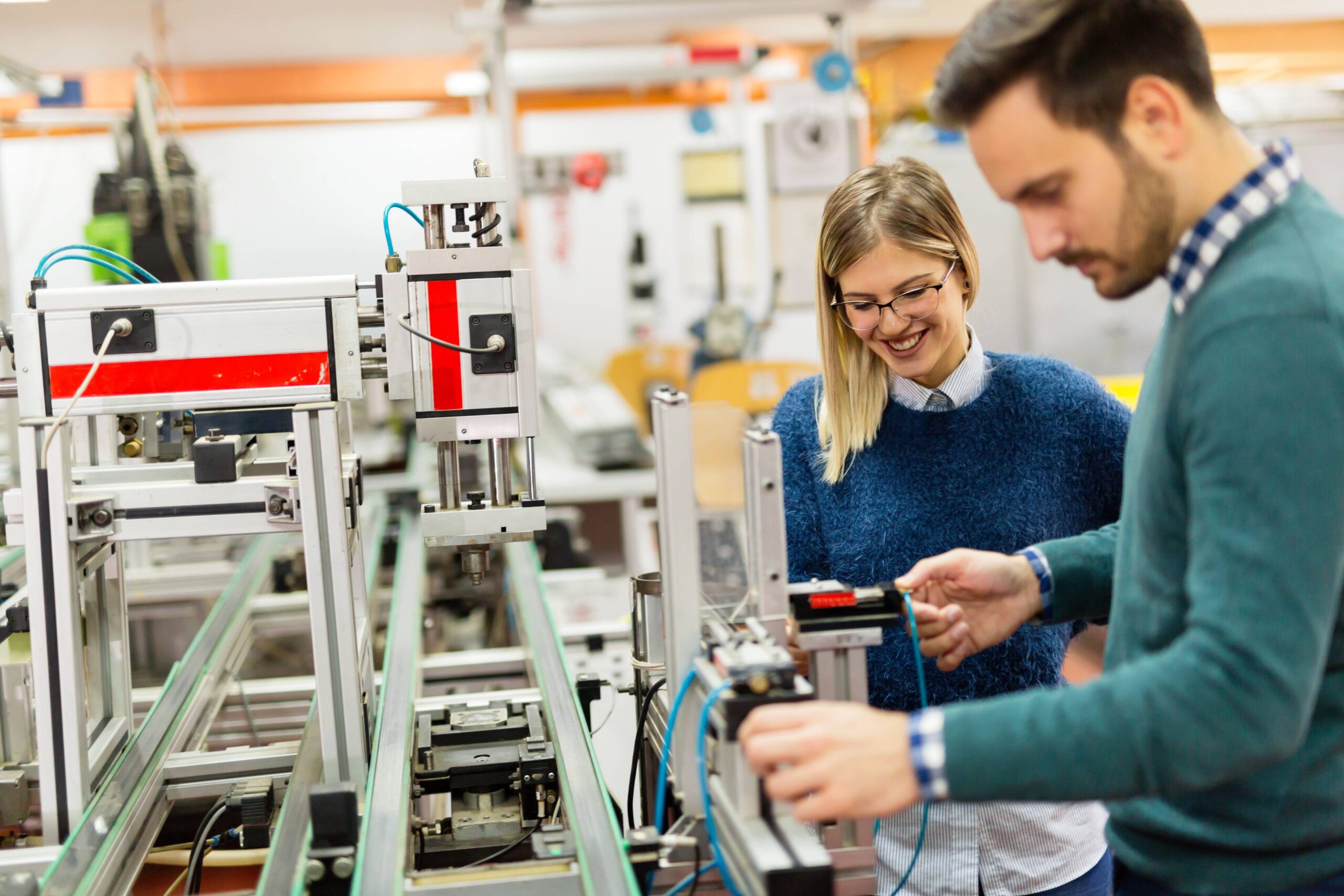
Understanding innovative industries also means exploring how businesses provide services that help others innovate. Many companies now offer innovation consulting, training, and digital development services to support transformation.
These services often include:
When companies invest in innovation, they don’t just improve their systems—they transform their business models, unlock value, and develop a culture of continuous improvement.
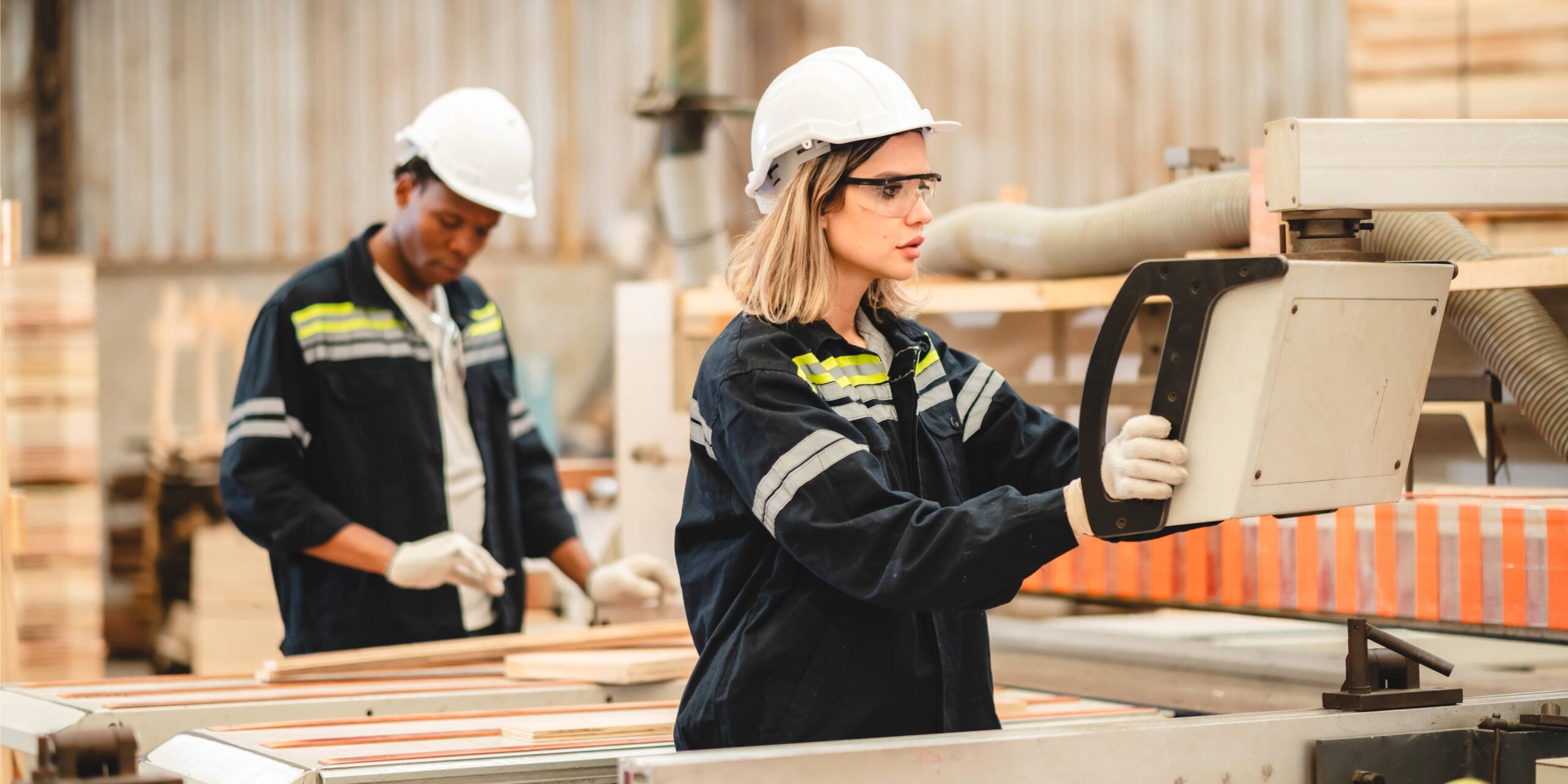
The rise of digital technology has reshaped nearly every industry. From manufacturing to sales, from industrial production to corporate communication, technological innovations make businesses more efficient, more connected, and more adaptive.
Automation and AI reduce time spent on repetitive tasks, allowing people to focus on creativity and strategy. Systems that once required manual control are now integrated into digital platforms that provide real-time information, track performance, and identify opportunities for growth.
This integration between technology and business innovation leads to faster development, better customer experience, and stronger economic outcomes.
The rise of innovative industries contributes directly to global economic growth. Through new processes, products, and services, companies can reduce costs, improve efficiency, and offer valuable solutions to consumers.
Industrial innovations in automation, printing, and AI also create employment opportunities and promote education in technology and digital skills. These efforts ensure that employees remain competitive in a rapidly changing world.
Innovative industries continue to develop new ways to make businesses more sustainable, efficient, and profitable — turning change into a strategic advantage.
Continue to Explore, Read, and Innovate
If you’re interested in learning more about innovation, explore our articles, news, and resources related to business innovation. You’ll find examples of successful companies, discover modern practices, and learn how to create your own innovative approach.
Our goal is to provide easy access to information, insights, and support for those who want to innovate and grow. Whether you’re a manager, a professional, or a consumer, understanding how innovation impacts your business can help you make smarter decisions.
Meet the future of innovation — a world where technological development, sustainability, and creativity merge to shape a better tomorrow.
To continue exploring innovative industries, read our latest articles, or contact our team for additional information about our services. We provide support for businesses looking to develop, innovate, and grow.
Innovative Industry © 2025. All rights reserved.
Free access to selected content and resources available online.
Read more about our policies, sustainability efforts, and corporate innovation goals.
Energy intensity per unit, water intensity, and a proper Scope 1, 2, and 3 breakdown are the metrics that actually define green manufacturing, not vague sustainability claims.
What a digital twin actually is, which sectors have genuinely deployed them versus piloted them, and why the sensor layer underneath matters more than the twin software itself.

Legacy integration, ongoing retraining, downtime during transition, and security maintenance are the recurring automation costs most budgets underestimate.
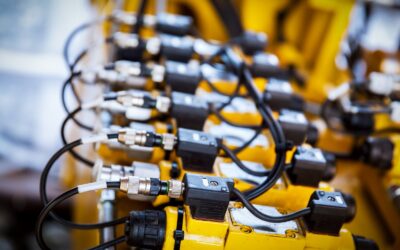
The unglamorous sensor layer, vibration, temperature, pressure, and vision sensors, that everything else in industrial automation actually depends on.
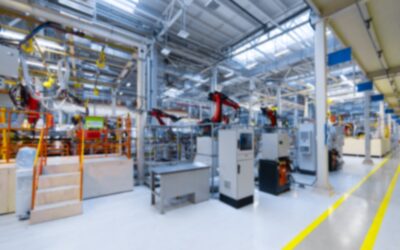
Reshoring has become a measurable trend, and automation, not sentiment, is the mechanism making domestic manufacturing cost-competitive again.

What the human-centricity pillar of the EU’s Industry 5.0 framework actually means for worker wellbeing, safety, and skills, and how far it has really reached factory floors.

An honest look at which parts of Industry 5.0 are genuinely scaled, which are still experimental, and why small and mid-sized manufacturers remain furthest behind.
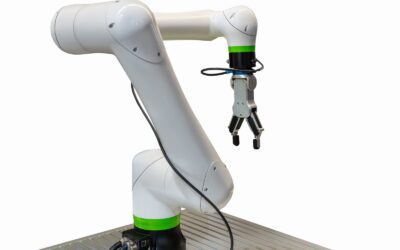
Industrial robots get most of their carbon footprint from operating electricity, not manufacturing. Here is where robotics genuinely delivers sustainability value today.
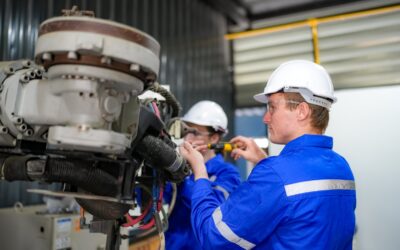
A practical, phase-by-phase walkthrough of how an automation rollout actually goes from assessment to pilot to scale, and where most projects stall.
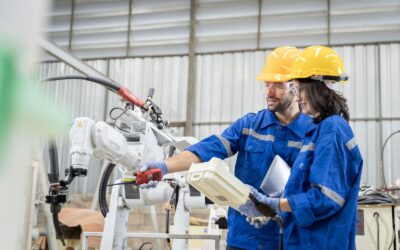
Industry 4.0 optimized for data and efficiency. Industry 5.0 adds worker wellbeing, sustainability, and resilience as design goals. Here is what actually changed, and what hasn’t yet.
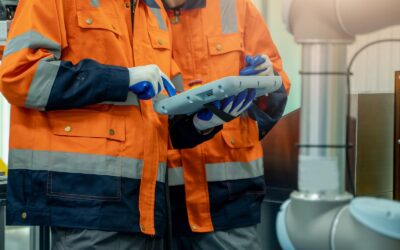
Realistic near-term expectations for the fifth industrial revolution, from predictive planning to cobots, separated from the speculative, longer-term claims.

In a world where borders blur and opportunities span continents, relocating abroad has become both an exciting opportunity and a complex logistical challenge. Whether you are moving for a career opportunity, an academic project, a family decision, or a fresh start, an...
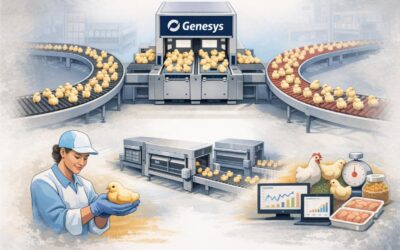
The broiler sector has never been under more pressure to deliver uniform carcasses, faster growth cycles, and predictable costs while navigating tighter margins and volatile markets. Insight for the Modern Hatchery The first, and arguably most decisiv, moment in that...

Circularity often gets treated as something that happens after a product is designed: a recycling program bolted onto packaging, a take-back scheme announced once the product is already on shelves. That sequencing is backwards. Whether a product can actually be...
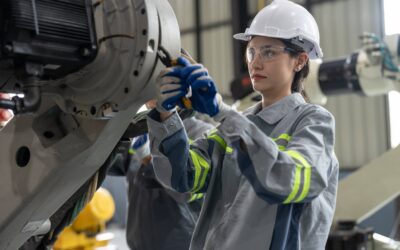
Global adoption of supply chain and manufacturing automation crossed 40% across manufacturing and retail sectors in 2025, and the shift underway in 2026 is less about experimenting with new tools than about scaling the ones that already proved themselves. That...
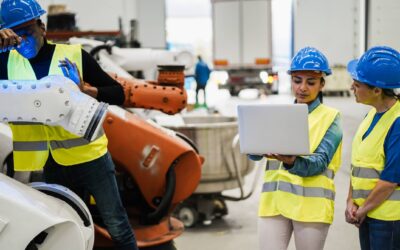
How far in advance can a machine tell you it is about to break? A few years ago, the honest answer was barely at all. In 2026, systems built on condition monitoring and machine learning are predicting equipment failures 30 to 90 days ahead of time with accuracy rates...

79% of manufacturing executives surveyed say circularity, designing for reuse and recycling rather than the old take-make-dispose model, creates significant business value. Fewer than one in five say they have actually built circular supply chain capabilities they...

Most companies that report their carbon footprint are, without realizing it, reporting the smaller part of it. PwC's 2025 State of Decarbonization report found that Scope 3 emissions, everything a company is indirectly responsible for through its suppliers and its...
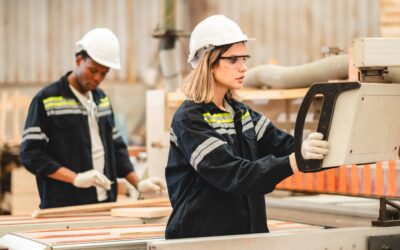
Roughly 60% of new automation deployments in 2026 involve autonomous mobile robots, machines that navigate a warehouse or plant floor on their own rather than following a fixed track. That single figure captures where Supply Chain 4.0 actually stands right now: past...