Why stonemasonry, timber framing, and textile conservation are their own distinct craft category, and the workforce shortage now threatening all three.
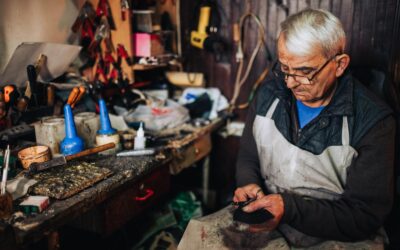

In today’s world, craftsmanship continues to hold an important role in our culture, even as technology, innovation, and modern knowledge reshape the way we work and create. Understanding the intersection of craftsmanship and modern knowledge/technology helps us see how art, design, and human skill can come together to build a more sustainable and creative future.
For generations, craftsmen and artisans have created products with great care, knowledge, and skill. Traditional craftsmanship was once at the center of daily life — from furniture making and building materials to art and design. Today, that same tradition remains a key part of modern production, though it now coexists with cutting-edge technology, digital tools, and new methods of working.
The value of modern craftsmanship lies in its balance between tradition and innovation. It is the understanding that good crafts are not only about products, but about the process, the time invested, and the human experience behind every piece. The importance of this approach lies in preserving skills while also embracing new technology to make production more efficient, creative, and sustainable.
Across industries, modern craftsmanship takes many forms. In furniture design, artisans use traditional techniques combined with modern tools to create unique products that last for years. In architecture, craftsmanship is seen in the way materials are chosen, shaped, and designed to build spaces that connect tradition and innovation.
In the art world, artists still find inspiration in traditional craftsmanship, applying modern methods and technological knowledge to give form to creative projects. From handcrafted ceramics and woodwork to 3D-printed products, each craft tells a story about people, places, and ideas.
Modern crafts often use sustainable materials, combining innovation and tradition to create pieces that respect both nature and design. Whether it’s working with wood, metal, fabric, or digital forms, the goal remains the same: to make something good, true, and meaningful.
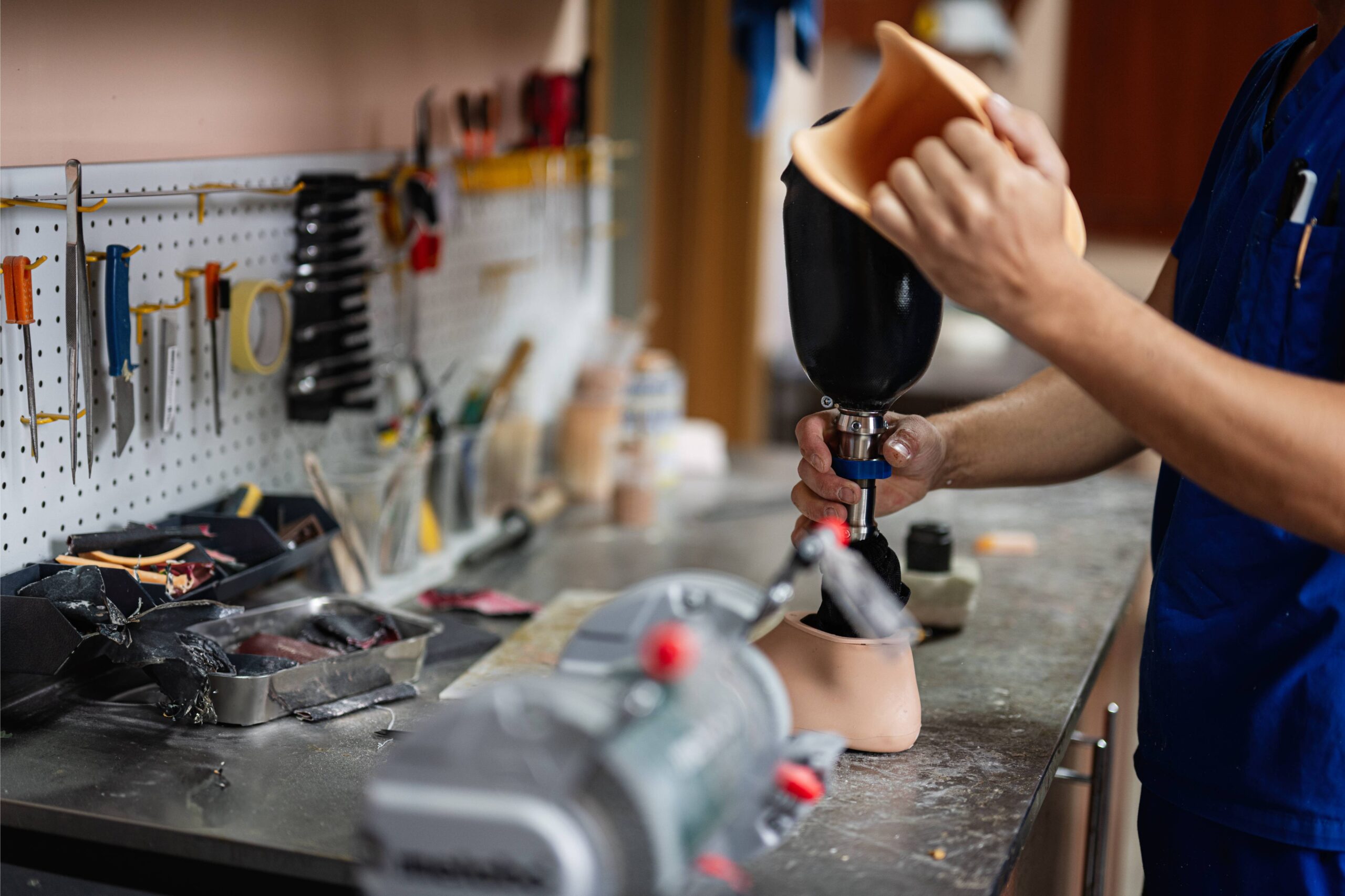
To truly understand modern craftsmanship, it helps to look at the skills, techniques, and values that define it. The modern craftsman or craftswoman must master both traditional methods and innovative technologies, combining experience, knowledge, and creative ability.
Human Connection: Recognizing the importance of people, tradition, and culture in every piece created.

Every craft begins with an idea — a creative spark that leads to making something real. The process often involves time, practice, and experimentation. From design to production, the craftsman uses skills developed over years, choosing the best materials and techniques to achieve the perfect form.
Working with tools, whether traditional or digital, requires patience and knowledge. Some projects take only a few hours, while others demand long time and deep focus. The result, however, is always unique — a product that reflects both tradition and innovation.
The artist or craftsman plays a central role in keeping these practices alive, ensuring that each piece maintains a sense of authenticity. In this way, modern craftsmanship connects people to their past, while also building a future of sustainable and ethical production.
The relationship between art, craftsmanship, and technology defines the spirit of the modern era. While traditional craftsmanship emphasizes handmade work and personal care, modern technology introduces new tools and methods that help expand what’s possible.
This intersection between human skill and technological innovation gives rise to innovative products, better design, and more efficient production systems. The importance lies not in replacing tradition, but in building upon it — using knowledge to create something greater, more valuable, and lasting.
In business, this balance also plays an important role. Companies that combine craftsmanship with modern technology can offer high-quality products, maintain sustainable practices, and inspire trust in customers. Good design today is created through this collaboration between art, craft, and innovation.
Learning the craft is a journey that often takes years. Through education, training, and practice, new generations of artisans are keeping the tradition alive while exploring modern approaches.
Workshops, schools, and social media now allow people to share information, techniques, and projects with a global community. This open exchange of knowledge ensures that the crafts continue to grow, change, and adapt to the needs of today’s world.
Craftsmanship is also about understanding the importance of time. Each piece is built not for quick production, but for lasting value. Modern craftsmen think beyond products; they create with meaning, connecting tradition and modern innovation in one harmonious form.
Why stonemasonry, timber framing, and textile conservation are their own distinct craft category, and the workforce shortage now threatening all three.

An even-handed comparison of craftsmanship and mass production, covering what each genuinely gets right and where each one structurally falls short.

How the EU’s Industry 5.0 concept maps onto small workshops adopting targeted automation, and why that pairing remains an early, uneven trend.

Comparing formal apprenticeship structures, from France’s Compagnons du Devoir to US registered apprenticeships, and what each one solves for.

A real breakdown of what drives handmade pricing, labor hours, material sourcing, and skill scarcity, and why the price is more accurate than it looks.
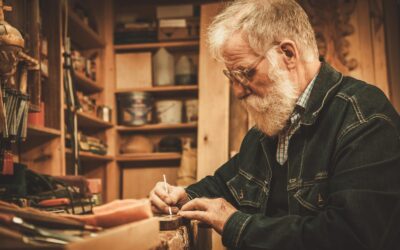
Inside the funding, apprenticeships, and safeguarding mechanisms from QEST to UNESCO actually working to keep endangered crafts from disappearing.
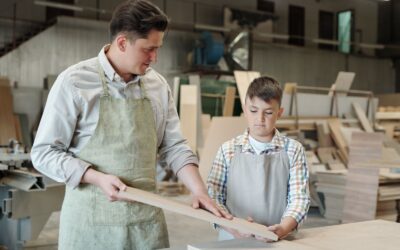
How craft skills move through families and communities through informal, everyday transmission, and why it works differently than formal apprenticeship.

How marketplaces like Etsy and Amazon Handmade, plus social commerce, are reshaping how independent makers find buyers, and what it actually costs them.
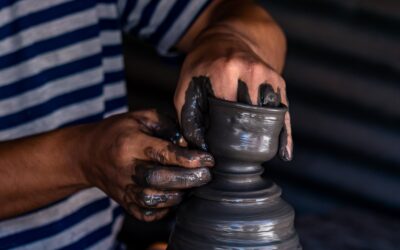
A grounded tour of five traditional crafts, from Japanese kintsugi to Ghanaian kente cloth, and what they reveal about how skill-based traditions actually survive.
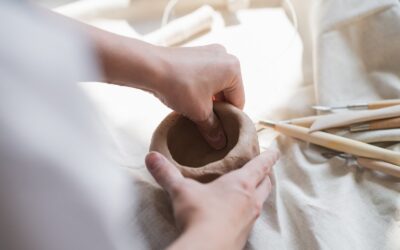
A precise definition of handicraft, how it differs from mass production and fine art, and why the distinction still matters commercially and culturally.

About a quarter of schools now have some form of dedicated makerspace, a number that keeps climbing as districts look for a counterweight to a curriculum that has grown increasingly screen-based. That growth is not really a maker-movement fashion. It reads more like a...
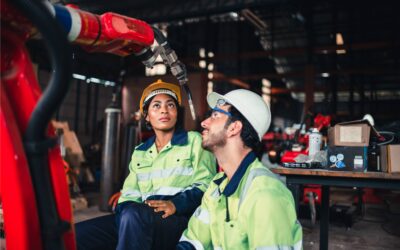
The UK's Heritage Crafts organization added 20 more crafts to its Red List of Endangered Crafts in 2025, bringing the total number of skills at risk of disappearing to 165. Cut crystal glass making and rattan furniture making moved into the critically endangered...

A carved detail worn smooth by centuries of hands, a joint technique no longer taught anywhere, a pattern of stitching specific to one region: these are exactly the details that a written description tends to flatten and a photograph tends to miss. Three-dimensional...
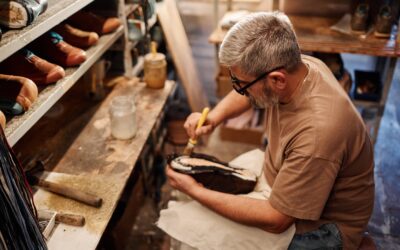
It is easy to assume that tradition and innovation sit on opposite ends of a spectrum, one looking backward, the other forward. Spend time with businesses that have actually survived multiple generations, and that assumption starts to look thin. The ones still...
In an age of mass production, craftsmanship stands as a reminder of the human touch that gives products their soul. It reminds us that quality and care take time, and that the best things in life are often made with passion and purpose.
Modern craftsmanship celebrates both the tradition that brought us here and the innovation that will lead us forward. It’s about understanding that every craftsman, every artist, and every project contributes to a world where creativity, knowledge, and skill continue to shape our lives.