
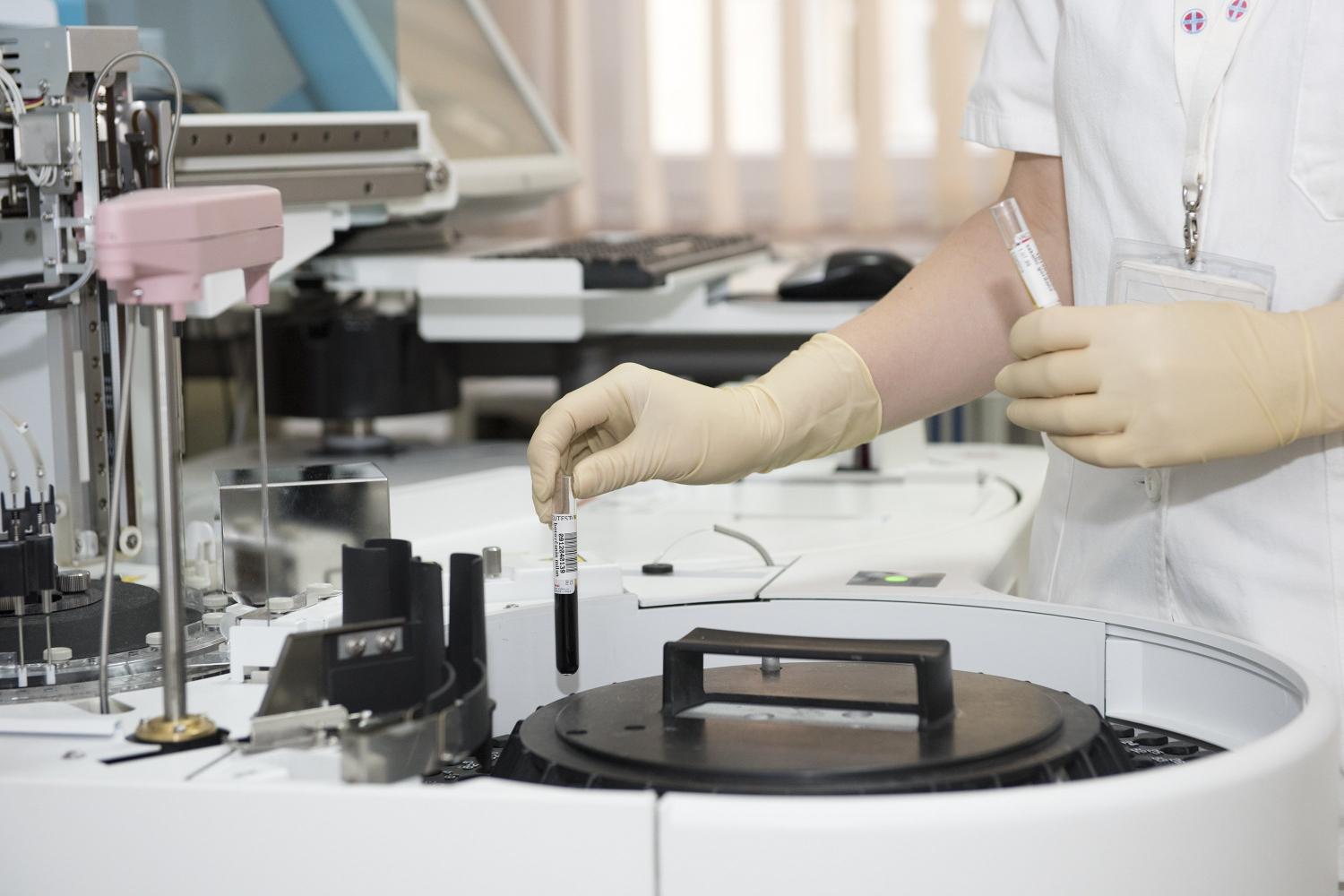
Poultry health management plays a central role in maintaining both flock performance and long-term production sustainability. In modern poultry systems, disease challenges such as respiratory infections or intestinal health issues can rapidly impact productivity if not identified early.
Regular health monitoring is therefore not just 0 routine task; it is a key component of effective poultry disease prevention. By consistently observing birds and recording changes over time, producers can detect early signs of disease, limit spread within the flock, and support overall health.
This article explores how structured health monitoring contributes to the prevention and control of major poultry diseases, including respiratory and intestinal conditions commonly encountered in poultry production.
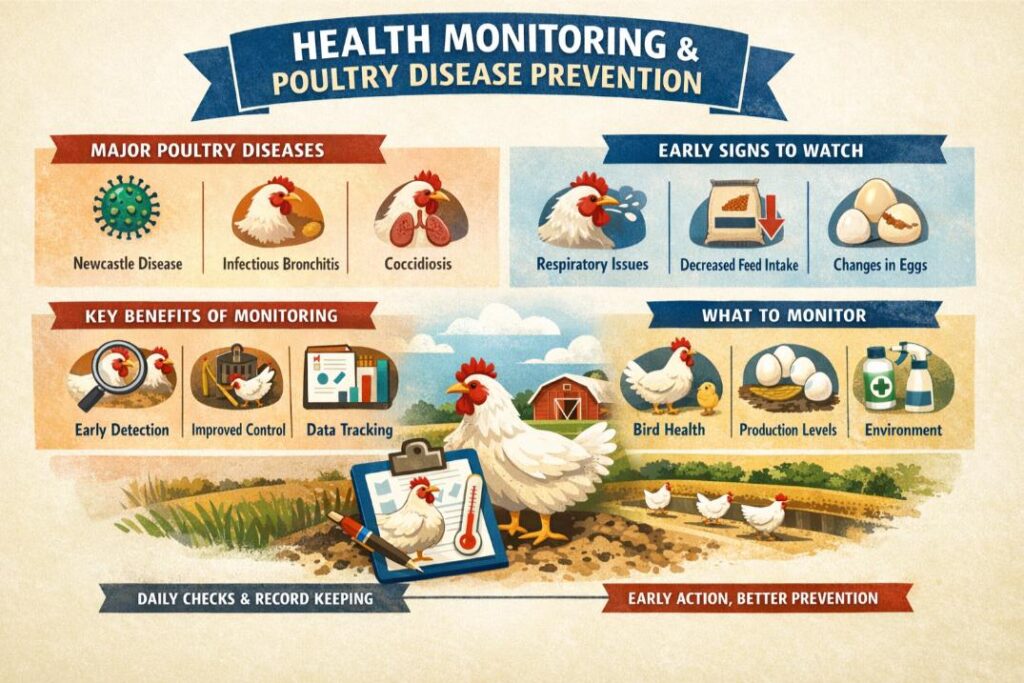
Understanding Major Poultry Diseases
Poultry diseases are often grouped into broad categories such as viral, bacterial, and parasitic infections. Among the most significant challenges in poultry production are:
- Newcastle disease in poultry, caused by Newcastle Disease Virus (avian paramyxovirus infection in poultry)
- Infectious bronchitis in poultry, linked to Infectious Bronchitis Virus (IBV in chickens), a major respiratory pathogen
- Poultry coccidiosis, caused by Eimeria species, leading to intestinal damage and reduced performance
Each of these diseases affects birds differently, but they share one important characteristic: early detection is critical for effective control.
For example, respiratory diseases such as Newcastle disease or infectious bronchitis in chickens may initially present with subtle signs:
- mild respiratory distress
- reduced feed intake
- changes in egg production
Similarly, coccidiosis in chickens may first appear as:
- uneven growth
- changes in litter quality
- reduced feed efficiency
Without regular observation, these early indicators can be missed, allowing disease to spread before corrective measures are taken.
Why Regular Health Monitoring Matters ?
Regular health monitoring helps establish a clear picture of what is “normal” for a flock. This baseline makes it easier to detect deviations that may signal the onset of disease.
Key benefits include:
1. Early Detection of Clinical Signs
Daily observation allows producers to identify early symptoms associated with:
- poultry respiratory diseases
- intestinal health issues such as Eimeria infection in poultry
- general declines in flock condition
Detecting these signs early supports faster decision-making and reduces the risk of widespread outbreaks.
2. Improved Disease Control
When abnormalities are identified quickly, it becomes easier to:
- isolate affected birds when necessary
- reinforce poultry biosecurity measures
- limit transmission within the flock
This is particularly important for highly transmissible conditions such as Newcastle disease or avian infectious bronchitis.
3. Data-Driven Flock Management
Consistent record-keeping (such as tracking feed intake, water consumption, mortality, and production parameter) provides valuable insights over time.
These records help identify patterns linked to:
- environmental conditions
- management practices
- recurring health challenges
By analyzing this information, producers can adapt their management strategies to better support flock resilience.
What Should Be Monitored in a Poultry Flock ?
Effective health monitoring is based on a combination of daily observations and structured data collection.
Visual and Behavioral Observations
- Activity levels and flock uniformity
- Respiratory signs (coughing, sneezing, abnormal breathing)
- Changes in posture or movement
- Feather condition
Production Indicators
- Egg production levels in layers
- Growth rates in broilers
- Feed and water intake
Environmental Conditions
- Temperature and humidity inside poultry houses
- Ventilation quality
- Litter condition
- Rodent control
Environmental factors play a critical role in the development of diseases such as infectious bronchitis or coccidiosis, making them an essential part of monitoring programs.
Linking Monitoring to Disease Prevention
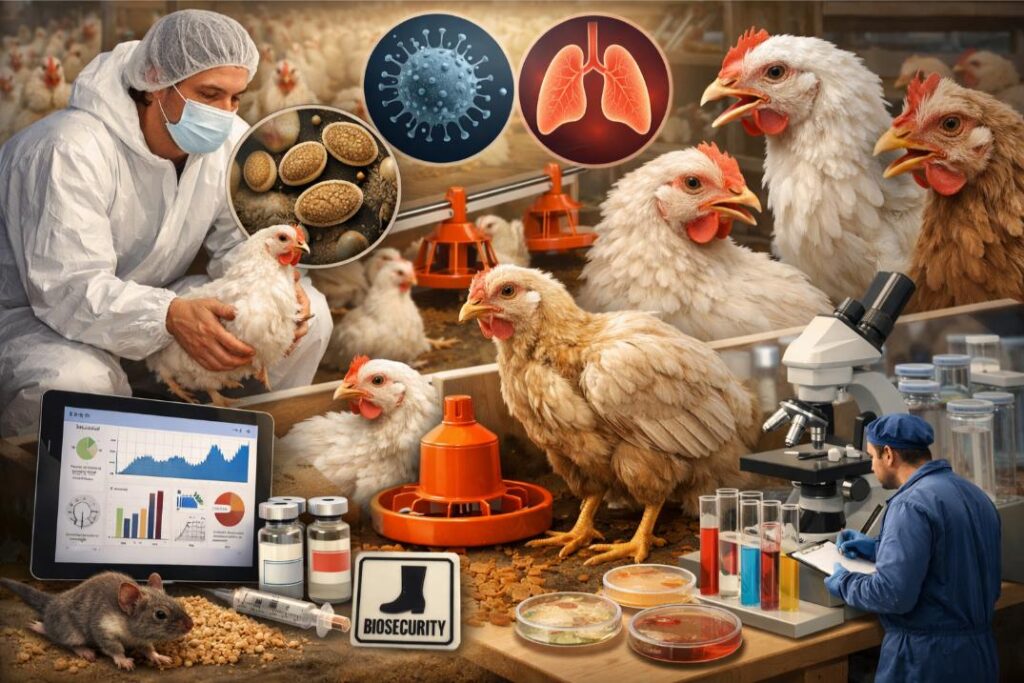
Health monitoring is most effective when combined with a broader prevention strategy. It acts as an early warning system that supports other key measures such as biosecurity and vaccination.
To better understand how these approaches work together in modern poultry production, you can explore resources available on platforms such as Ceva Poultry, which provide insights into poultry disease prevention and flock health management.
Biosecurity
Strong poultry biosecurity practices help reduce the introduction and spread of pathogens. Monitoring helps identify when these measures may need to be reinforced.
Examples include:
- controlling access to poultry houses
- maintaining hygiene protocols for personnel and equipment
- monitoring nearby disease risks
Vaccination Awareness
Vaccination is an important tool in poultry disease prevention, particularly for viral diseases such as Newcastle disease and infectious bronchitis.
Health monitoring helps evaluate flock response and detect any unexpected changes that may require further investigation.
Environmental and Management Adjustments
Monitoring data can highlight risk factors such as:
- overcrowding
- poor ventilation
- inconsistent feeding
- rodent infestations
Addressing these factors helps reduce stress on birds and supports their ability to cope with disease challenges.
Building an Effective Monitoring Routine
To be effective, health monitoring should be consistent, structured, and shared across the team.
Key elements include:
- Daily flock checks with attention to both individual birds and overall flock behavior
- Standardized recording systems to track observations over time
- Team training to ensure all personnel can recognize early signs of disease
- Regular review of data to identify trends and potential risks
Digital tools and sensors can also support monitoring by providing real-time information on environmental conditions, helping producers react quickly to changes.
Regular health monitoring is a cornerstone of modern poultry health management. By combining daily observation, data analysis, and preventive measures such as biosecurity and vaccination, producers can better anticipate and manage disease risks.
Whether dealing with Newcastle disease, infectious bronchitis in chickens, or poultry coccidiosis, early detection remains one of the most effective ways to support flock health and maintain production performance.
A proactive monitoring approach not only helps reduce the impact of disease but also contributes to more resilient and sustainable poultry systems.