In the ever-evolving landscape of modern manufacturing, the union of technology and industry has crafted a tapestry of innovation, drawing threads from every corner of our digital universe. In this article, we embark on a journey into the realm of Automation and Supply Chain 4.0, where smart systems and the Internet of Things (IoT) converge to revolutionize traditional production processes. As industry leaders, it is crucial to understand how these technologies are reshaping our world and influencing our collective future.
The Dawn of Smart Manufacturing
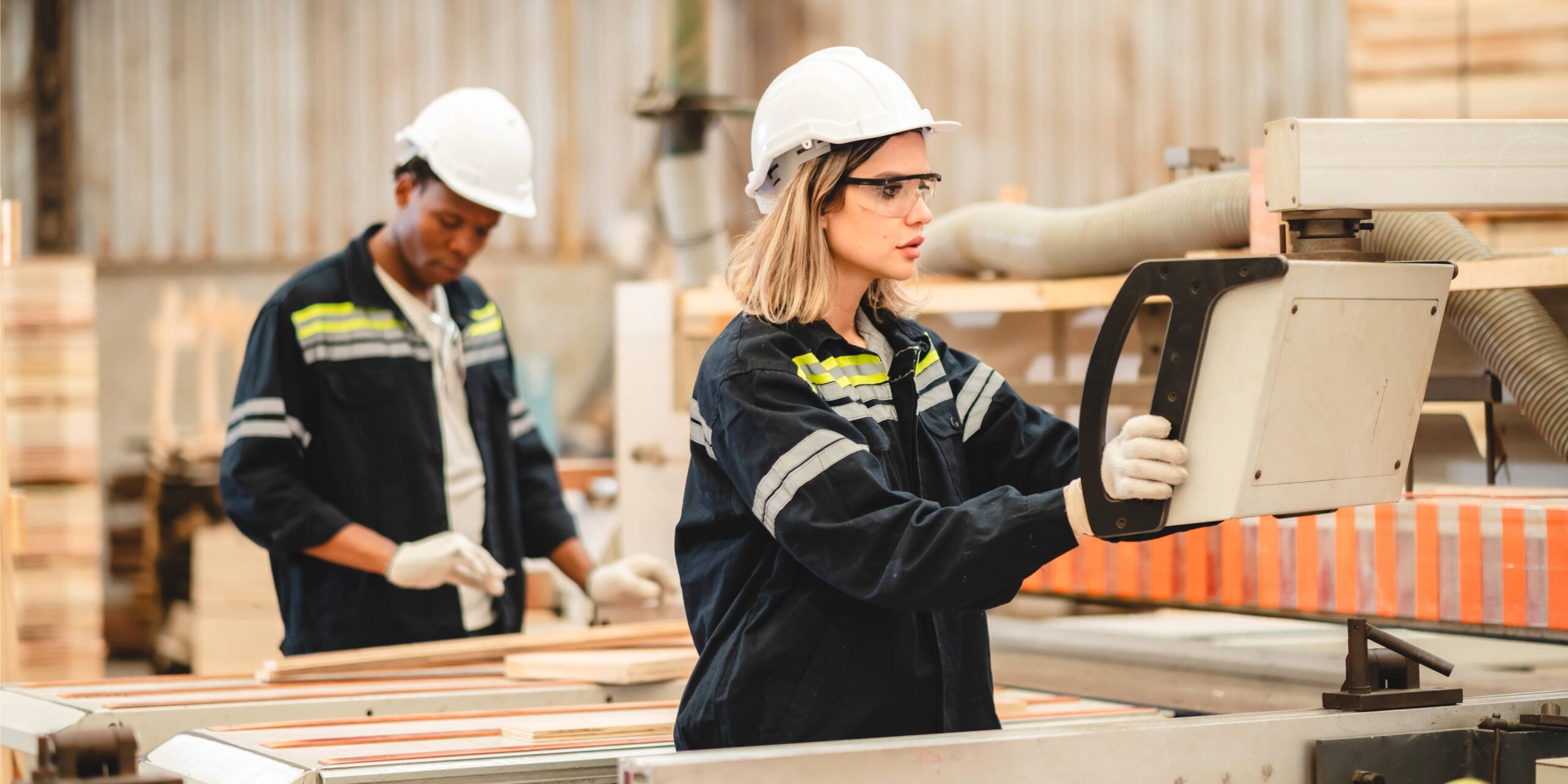
Imagine an industrial world where machines communicate seamlessly, sharing data and orchestrating tasks with the precision of a symphony. Smart manufacturing lies at the core of this vision, harnessing the power of technology to create an environment where efficiency and innovation thrive.
The deployment of IoT devices in manufacturing settings has paved the way for a digital revolution. These devices collect real-time data from machinery, providing insights that drive automation and optimize productivity. With cloud technologies advancing at lightning speed, businesses can now store and analyze vast amounts of information, leading to informed decision-making and enhanced production capabilities.
In essence, the smart manufacturing ecosystem connects industrial components through a network of intelligent devices. This connectivity enables predictive maintenance, reducing downtime and enhancing the longevity of equipment. By integrating ERP software, manufacturers can streamline operations, ensuring seamless workflow management from start to finish.
As we embrace this new era, the focus shifts towards adopting a human-centric approach. The role of automation is not to replace humans but to augment their abilities, allowing for more creative and strategic contributions. The blending of technology and human ingenuity results in a more resilient and adaptable industry, prepared to face the challenges of the future.
Transforming the Supply Chain with IoT and Automation
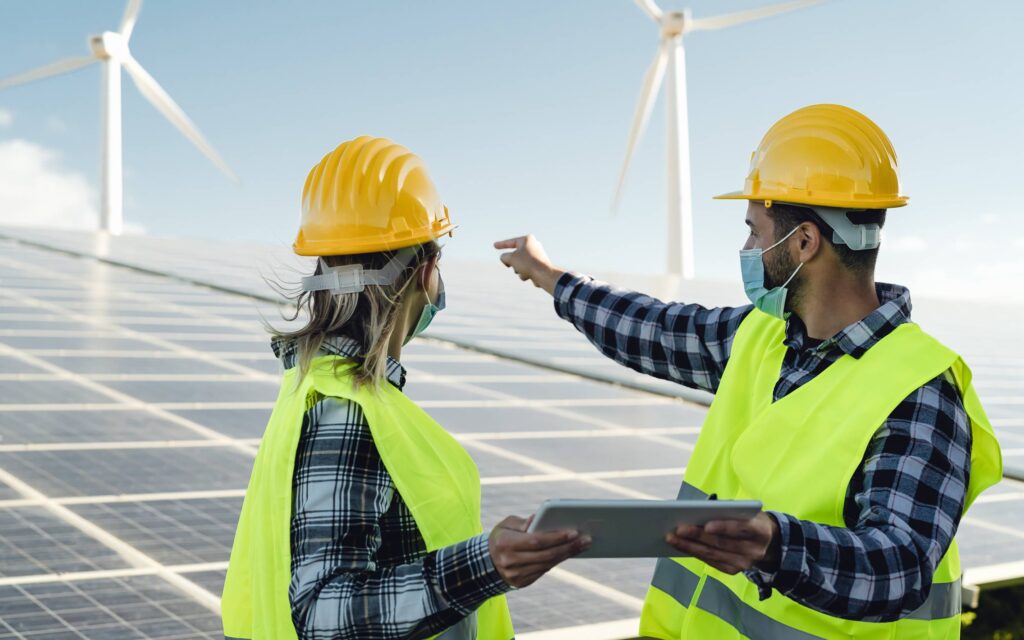
With the rise of Supply Chain 4.0, traditional chain operations are undergoing a transformative shift towards a more integrated and responsive network. This evolution is driven by the fusion of IoT, automation, and cloud technologies, creating a system that thrives on connectivity and information sharing.
Supply chains are the lifeblood of businesses, ensuring that products move seamlessly from production to consumers. The integration of IoT devices allows for real-time tracking and monitoring, providing invaluable insights into the status of goods at every stage. This visibility is crucial for optimizing routes, reducing delivery times, and minimizing costs.
The automation of supply chains has ushered in a new era of efficiency. Robotic systems now handle repetitive tasks, freeing human resources to focus on more complex problem-solving. With data-driven insights, businesses can anticipate demand fluctuations and adapt their production schedules accordingly, ensuring a steady flow of goods and services.
In this interconnected ecosystem, the role of cloud computing cannot be overstated. By leveraging cloud-based platforms, companies can access and share data across the supply chain, fostering collaboration and improving communication. This transparency results in a more agile and resilient network, capable of responding swiftly to market dynamics.
The path to a smarter supply chain involves embracing a technological mindset. As we continue to redefine industry norms, it is imperative to remain agile and open to innovation, ensuring that we are well-equipped to navigate the complexities of the modern business landscape.
The Role of ERP and Software in the Industrial Revolution
In the heart of the modern industrial revolution lies the integration of ERP (Enterprise Resource Planning) software. This powerful tool serves as the backbone of business operations, streamlining processes and ensuring seamless coordination between departments.
ERP software transcends traditional data management by providing a unified platform for businesses to manage their resources effectively. By consolidating information from various departments, such as finance, production, and logistics, ERP systems facilitate informed decision-making and promote operational efficiency.
The implementation of ERP software in the industrial sector has led to significant advancements in automation and process optimization. With real-time data analytics, companies can identify bottlenecks and inefficiencies, allowing for timely interventions and adjustments. This proactive approach not only enhances productivity but also reduces costs and minimizes waste.
Moreover, ERP systems empower businesses to harness the power of cloud technology. Cloud-based ERP solutions offer scalability and flexibility, enabling companies to adapt to changing market conditions without the need for extensive infrastructure investments. This agility is crucial in today’s fast-paced world, where staying ahead of the competition requires constant innovation and adaptability.
In the context of the industrial revolution, the role of ERP and software is pivotal. By embracing these technologies, businesses can cultivate a culture of continuous improvement, fostering a smart and sustainable future for the industry.
As we stand on the brink of a new era, the convergence of technology and industry offers unprecedented opportunities for innovation and growth. The journey into Automation and Supply Chain 4.0 is not merely a technological shift but a reimagining of how we conduct business in a world driven by data and connectivity.
By embracing smart systems, IoT, and cloud solutions, industries can enhance their operational efficiency and resilience. The integration of ERP software and automation paves the way for a more cohesive and responsive ecosystem, capable of adapting to the ever-changing demands of the global market.
As leaders in the industrial sector, it is our responsibility to champion these advancements and encourage a culture of innovation. By doing so, we not only secure our place in the future but also contribute to a more sustainable and prosperous world for generations to come.
In the words of the great futurist Alvin Toffler, “The illiterate of the 21st century will not be those who cannot read and write but those who cannot learn, unlearn, and relearn.” Let us heed this wisdom and embark on a journey of continuous evolution, embracing the possibilities that lie ahead.